Spray Foam Insulation Cost Guide for Chandler, AZ Homes (2026)

If you've priced spray foam contractors in Chandler and gotten quotes that vary more than you expected, that's normal — spray foam pricing genuinely depends on more variables than fiberglass batts or blown-in insulation. Which area of the home you're treating, whether the job calls for open-cell or closed-cell foam, how much existing insulation has to be removed first, and how much square footage you're covering all move the final number.
This guide breaks down real-world cost ranges by area of the home, explains why open-cell and closed-cell price out differently, and walks through the math homeowners actually care about: how spray foam stacks up against what you're currently paying to run AC through a Chandler summer. Every number here is a typical range, not a quote — your home's framing, access, and existing insulation condition all move the final price, which is why we push toward a free on-site assessment before committing to a number.
Typical cost per square foot
Across the industry, spray foam insulation typically runs $1 to $5 per square foot installed, averaging around $3 per square foot. Open-cell foam sits toward the lower end of that range; denser, higher-R-value closed-cell foam sits toward the higher end. Most professional installers also carry a minimum job charge, commonly in the $1,500-$2,000 range, which matters if you're pricing a small, contained project like garage-ceiling-only coverage.
Cost by area of the home
- Attic (attic-floor application): typically the most cost-effective way to cover the largest heat-gain surface in the house.
- Attic (roof-deck / conditioned attic): higher cost than attic-floor since it covers more surface area, but protects any HVAC ductwork running through the attic.
- Garage ceiling and walls: often one of the smaller, more contained projects — and one of the highest-impact for homes with a bedroom or above-garage bonus room affected.
- Interior walls: priced per board foot of wall cavity; open-cell is typically the more budget-friendly choice here.
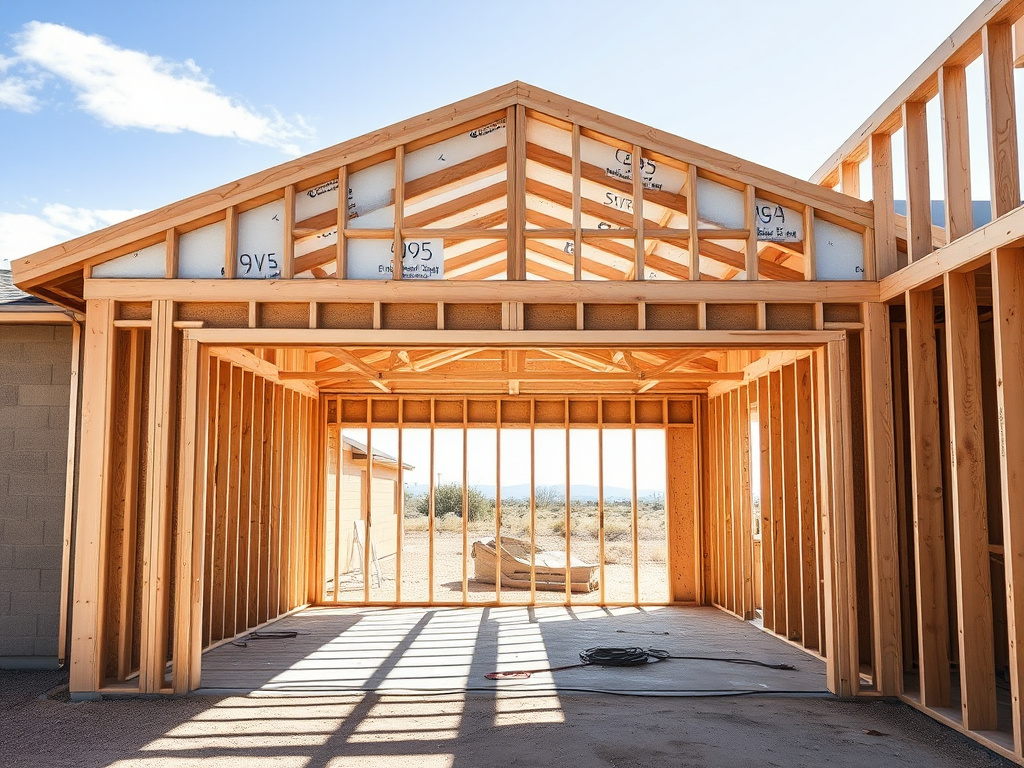
- Whole-home new construction: the most cost-effective way to insulate on a per-square-foot basis, since framing is open and access isn't a factor — a relevant option in a city with as much active new construction as Chandler.
Why open-cell and closed-cell price out differently
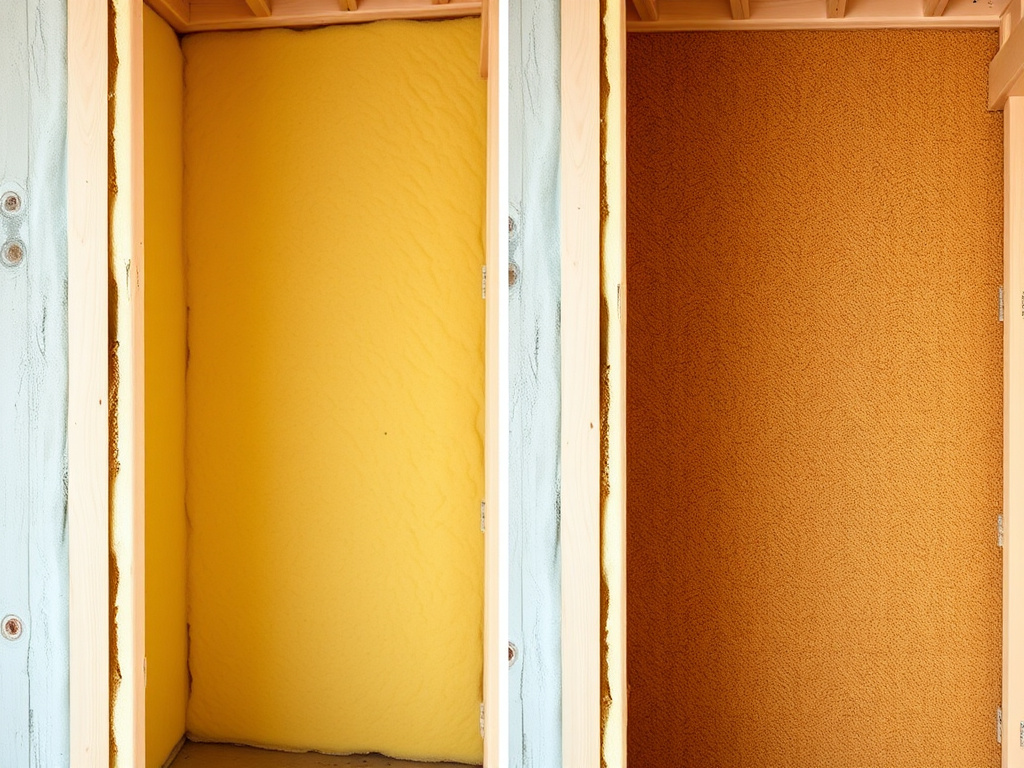
Closed-cell foam uses a denser chemical formulation, delivers roughly R-6 to R-7 per inch versus open-cell's R-3.5 to R-4, and typically requires more application skill — all of which shows up in a higher per-board-foot price. That premium is worth paying for roof decks with limited depth, garages facing extreme heat exposure, or anywhere moisture control matters. For standard interior walls and vented attic floors, open-cell usually delivers comparable real-world performance for less money.
Does a newer Chandler home cost less to insulate?
Not necessarily, and it's a question we get a lot given how much of Chandler's housing stock — Ocotillo, Fulton Ranch, Sun Groves, and similar newer communities — was built more recently than a lot of the broader Phoenix metro. A newer home's attic or wall cavities are the same square footage to spray regardless of the home's age. What newer construction does change is scope: if you're catching a home during a remodel or addition while walls are already open, or working directly with a builder before drywall goes up, the labor and access costs drop, which is the real savings lever — not the home's age itself.
The cooling-bill math
Air conditioning typically makes up the largest single share of a Chandler home's summer electric bill, and an under-insulated, poorly air-sealed attic is one of the most common reasons AC units run longer than they should — a pattern that shows up in older homes and in newer builds insulated to bare code minimum alike. Industry estimates suggest a properly executed spray foam retrofit can reduce cooling costs by roughly 30-50% for a home starting from thin or gap-riddled insulation, with payback commonly cited in the 3-6 year range depending on your home's starting condition and local electricity rates. These are industry-typical ranges, not a guarantee — the bigger your home's current air-leakage problem, the bigger the realistic savings opportunity.
Frequently asked questions
Garage ceiling insulation is often the most contained, budget-friendly project with a clear payoff — especially if you have a bedroom or above-garage bonus room that runs noticeably hotter than the rest of the house. Attic-floor coverage with open-cell foam is typically the next most cost-effective option for whole-home impact.
Financing availability varies by contractor and project size. Ask about options during your free on-site assessment — for larger whole-home or new-construction projects, financing can make a meaningful upgrade more manageable upfront.
Ready for a free quote?
Tell us about your home and we'll build a clear, no-pressure quote.