Bought New in Chandler? Why Your Builder-Grade Insulation May Still Be Underperforming
Chandler's population roughly tripled during the 1980s tech boom, passing 100,000 by 1993, and the growth hasn't really stopped since — the city's housing stock skews meaningfully newer than a lot of the broader Phoenix metro. If you bought in Ocotillo, Fulton Ranch, Circle G, Sunbird, Sun Groves, Springfield, or one of Chandler's other newer subdivisions, that's a genuine advantage: newer framing, newer code compliance, newer everything. But there's a gap that catches a lot of new-construction buyers off guard, and it's worth understanding before you assume 'new' means 'done.'
Code minimum is not performance-optimized
Builder-grade insulation is specified to satisfy the energy code that applies at the time of permitting — not to maximize comfort or minimize your cooling bill in a genuinely hot-dry desert climate. The Department of Energy's own guidance for hot-dry Zone 2 climates like Chandler's points to attic insulation in the R30 to R60 range depending on your starting point, and 'meets code' and 'sits at the top of that range' are two very different bars. A lot of new Chandler construction is insulated to clear the first bar, not the second.
Where the gap shows up in a new build
- Attic insulation depth that satisfies inspection but isn't maximized for a roof deck taking direct desert sun all day
- Garage ceilings and shared walls insulated minimally, or not at all beyond what's required by code
- Duct runs through an unconditioned, vented attic that can reach extreme temperatures on a summer afternoon
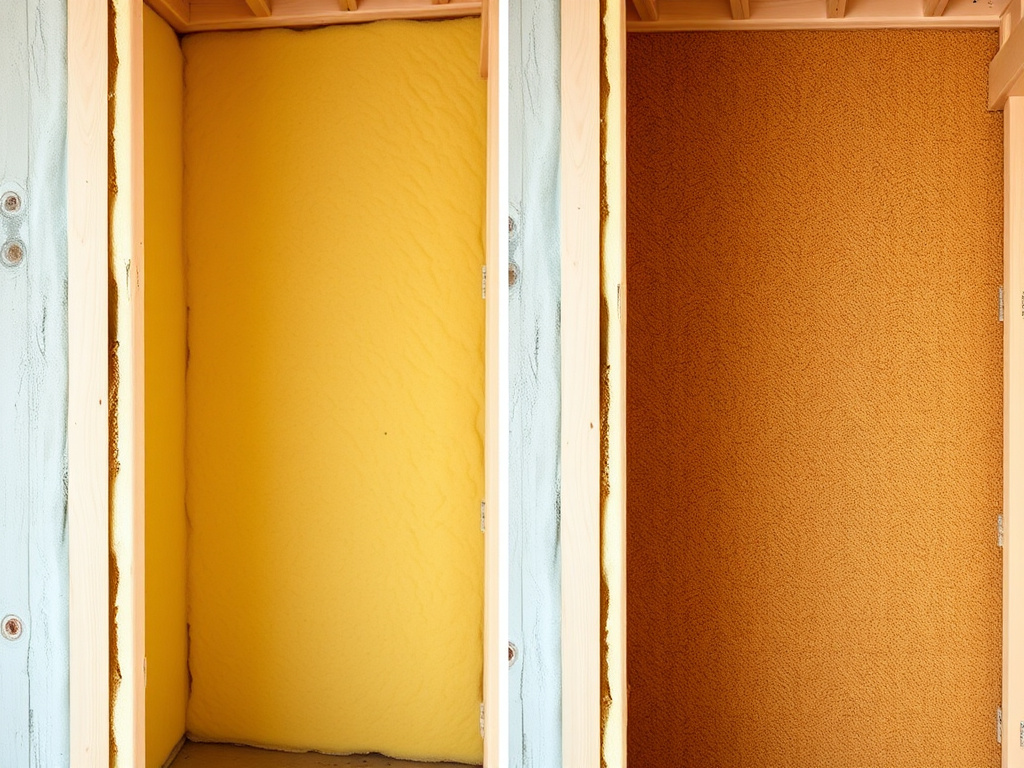
- Standard fiberglass batt in exterior walls — filling the cavity but not air-sealing it
None of this means your builder cut corners illegally — it means the code floor and the performance ceiling are two different numbers, and most builder specs land closer to the floor. The good news is that a newer home is often the easiest kind of home to upgrade, since framing, access, and existing conditions are all in better shape than a decades-old retrofit.
Why this matters more in a tech-corridor city
Chandler's identity as a tech corridor — anchored by Intel's roughly 700-acre Ocotillo campus, which has operated in Chandler since 1980 and continues to expand — has kept new residential construction steady for decades. That's local color, not an insulation claim, but it does mean a larger share of Chandler buyers are moving into homes built in the last five to fifteen years rather than retrofitting a 1970s ranch house. The comfort and cooling-cost conversation for this buyer looks different: it's less 'how do I catch this house up to modern standards' and more 'how do I push my already-new house past code minimum to real desert performance.'
The best time to close the gap: before drywall, or right after
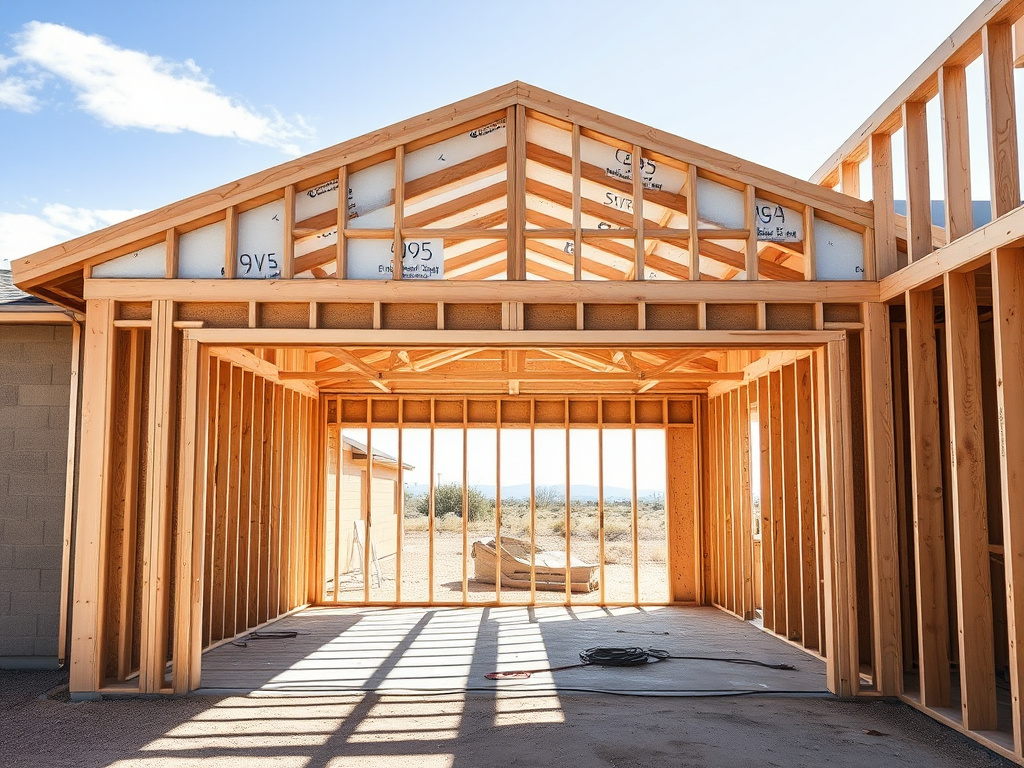
If you're working with a builder on a custom home or still in the framing stage of a new build, spray foam at the roofline and in exterior walls, done before drywall closes everything up, is the most cost-effective way to build the envelope correctly the first time — no retrofitting, no working around finished surfaces. If you've already closed on a new Chandler home, the two highest-value, most contained upgrades are almost always the same two things that matter in any home: attic insulation and garage insulation, especially if you have a bonus room over the garage.
Frequently asked questions
Yes, more often than most buyers expect. Builder-grade insulation is specified to meet the energy code that applied at permitting, not to maximize performance against a hot-dry desert climate. A newer home usually needs less work to upgrade than an older one, but 'newer' doesn't automatically mean 'optimized.'
Yes — we regularly work in Chandler's guard-gated and master-planned communities. HOA rules around contractor access and scheduling vary by community, and we're happy to work within whatever process your HOA requires.
Ready for a free quote?
Tell us about your home and we'll build a clear, no-pressure quote.